
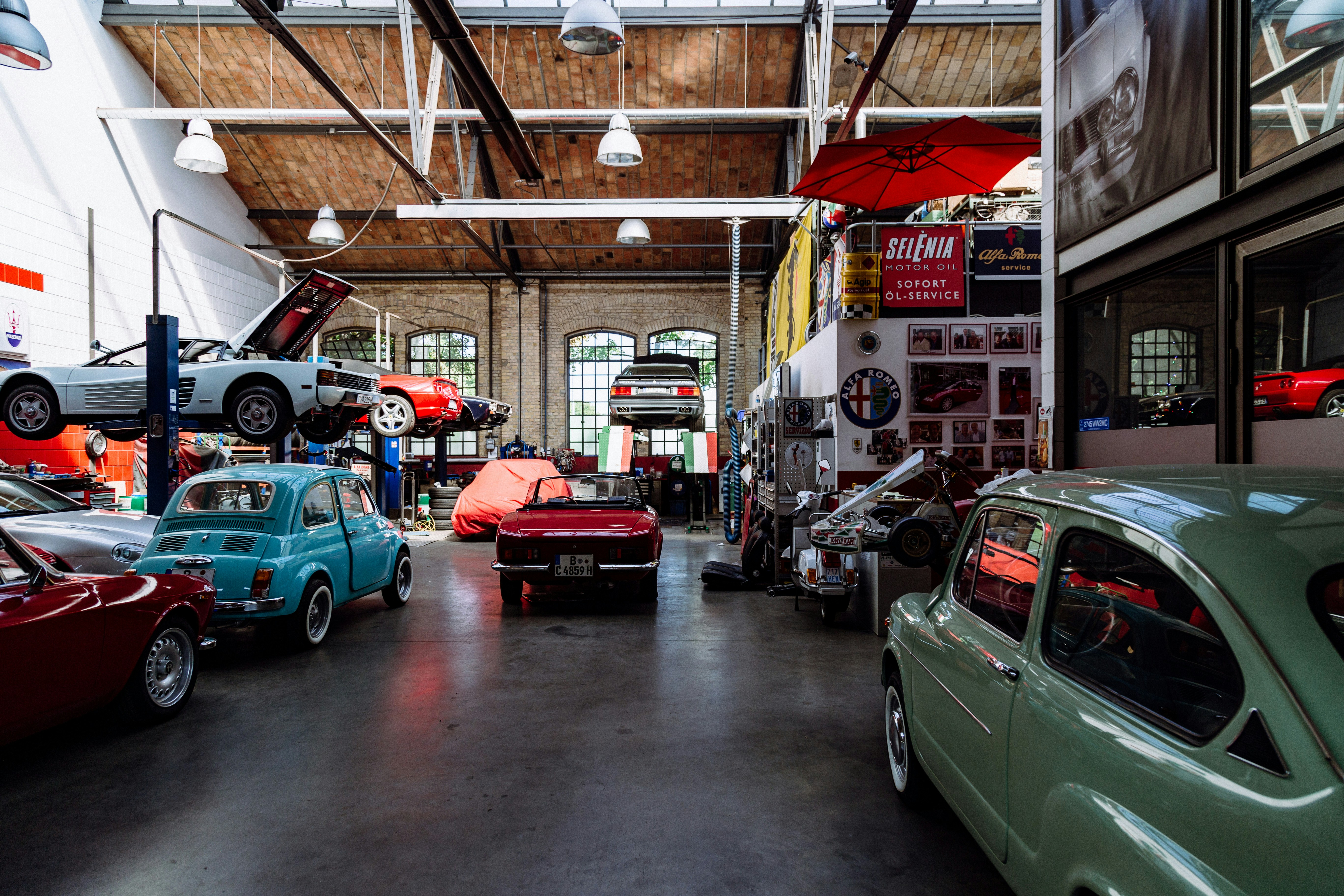
Introduction
Purchasing automotive workshop equipment is a significant investment that can impact your workshop’s efficiency and longevity. To make the best choices, it’s essential to avoid common pitfalls that could lead to unnecessary costs and complications.
1. Focusing Only on Price
While it’s tempting to opt for the cheapest option, this can lead to higher maintenance costs and a shorter service life. Consider the overall value when investing in auto repair equipment, as quality often outweighs the initial price tag.
2. Ignoring Quality Certifications
Always verify that the equipment is compliant with international standards like CE and is produced under a quality management system certified by ISO 9001 standards. This ensures that you are purchasing reliable and safe garage equipment.
3. Choosing the Wrong Equipment for Your Needs
It is crucial to select workshop equipment based on your specific requirements, such as the size of your workshop, types of vehicles you service, and your daily workload. A one-size-fits-all approach is not effective.
4. Overlooking After-Sales Support
Reliable after-sales support is vital. Ensure that the automotive equipment supplier offers excellent technical support, warranty service, and installation guidance to prevent downtime, keeping your operations smooth.
5. Forgetting About Spare Parts Availability
Avoid future delays by ensuring that replacement parts for your automotive workshop equipment are easily accessible. This foresight can save time and resources down the line.
6. Evaluating the Manufacturer
Look for an experienced workshop equipment manufacturer known for quality control and a solid export background. Transaction with established brands can assure you of reliability and efficiency.
7. Ignoring Safety Features
When selecting equipment, prioritize safety features such as safety locks and overload protections. This contributes to a safer working environment for both technicians and vehicles.
8. Buying Without Considering Future Growth
Invest in automotive equipment that can accommodate future growth in your business. Planning for expansion from the start will prevent the need for immediate upgrading later on.
9. Failing to Compare Multiple Suppliers
Do not settle for the first supplier you find. Comparing quality, certifications, lead times, and service aspects of several providers ensures you make an informed choice when investing in OEM automotive equipment.
10. Not Considering OEM and CE Certified Workshop Equipment
Finally, ensure that you consider OEM automotive equipment and CE-certified options. These choices often guarantee a higher level of quality and reliability, which is crucial for running an efficient workshop.